

Nyungwe Forest National Park is one of Rwanda’s most remarkable natural destinations and a must-visit for anyone interested in primates, rainforest landscapes, birdwatching, hiking and nature-based travel. Located in south-western Rwanda, this ancient montane rainforest forms part of the biodiverse Albertine Rift and is recognised for its exceptional wildlife and plant diversity. For visitors exploring Rwanda by road, hiring a reliable vehicle from Car Rent Rwanda provides a convenient way to reach Nyungwe while enjoying the spectacular scenery of the country’s southern and western regions. Nyungwe is also Rwanda’s first natural UNESCO World Heritage Site, having been inscribed in 2023.
About Nyungwe Forest National Park
Nyungwe National Park protects approximately 101,964 hectares of exceptionally diverse montane rainforest, wetlands, grasslands and other natural habitats. The protected area extends across an impressive elevation range of roughly 1,480 to 2,950 metres, creating different ecological zones and supporting an extraordinary variety of species. The park includes Nyungwe Natural Forest, Cyamudongo Natural Forest and Gisakura Natural Forest, all of which contribute to the area’s conservation importance.
The forest has been protected in various forms since 1933 and became a national park in 2005. Its importance was further recognised internationally when Nyungwe National Park was added to the UNESCO World Heritage List in 2023. UNESCO describes it as one of the most biologically important and diverse Afromontane forests in Africa, with high levels of endemism and important habitats for threatened wildlife.
For a car rental company in Rwanda, Nyungwe is particularly significant because the journey itself is part of the experience. The roads leading towards the park pass through rolling hills, tea plantations, rural communities and dramatic highland scenery, making a road trip to Nyungwe an excellent addition to a Rwanda itinerary.
Wildlife in Nyungwe Forest
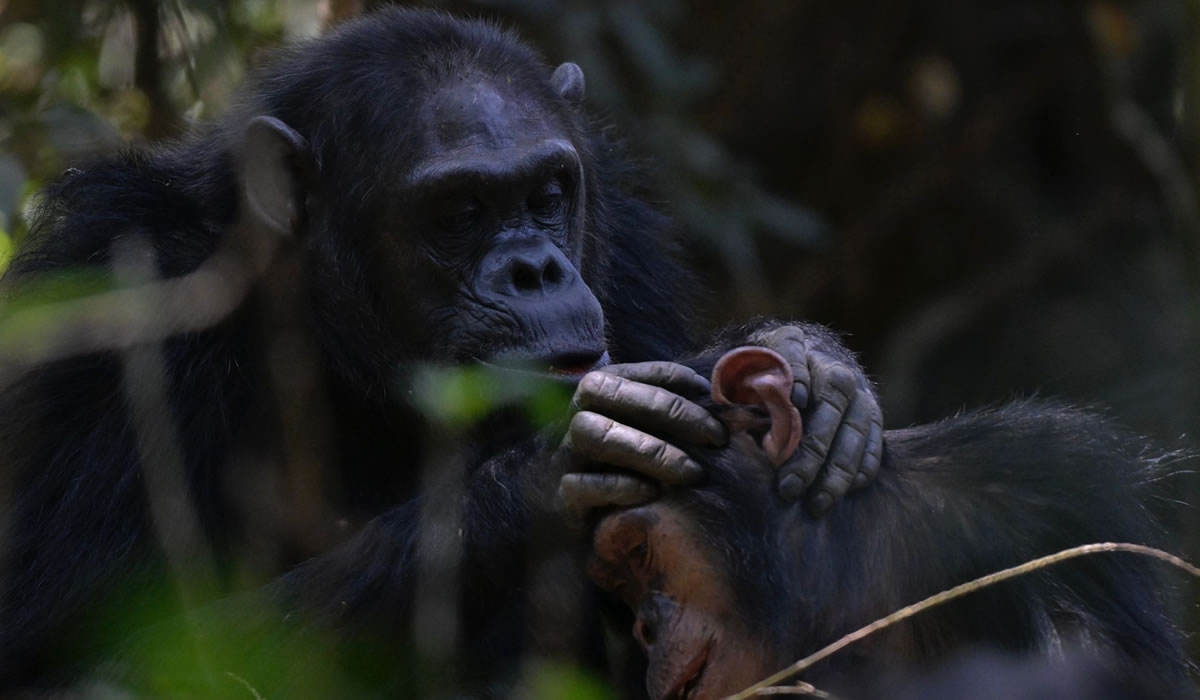
Wildlife is one of the main reasons to visit Nyungwe Forest National Park. The forest is particularly famous for its primates, with numerous species inhabiting its dense vegetation. Eastern chimpanzees are among the most sought-after animals, and guided chimpanzee tracking provides an opportunity to explore the forest while searching for these intelligent and highly social primates.
Nyungwe is also home to Angola colobus, L’Hoest’s monkeys, blue monkeys and other forest-dwelling primates. UNESCO records 13 primate species in the park and notes that approximately one-fifth of Africa’s primate species occur within the property. This makes Nyungwe one of Africa’s important destinations for primate enthusiasts.
The forest’s biodiversity extends far beyond monkeys. Nyungwe supports numerous mammals, reptiles, amphibians, butterflies and other smaller species. Some are endemic to the Albertine Rift, while others are globally threatened. The park’s conservation importance is therefore much greater than its appeal as a conventional wildlife destination. It is a place where visitors can experience an intact rainforest ecosystem rather than simply searching for large game animals.
Chimpanzee Tracking in Nyungwe
Chimpanzee tracking is one of the most popular activities in Nyungwe National Park. Unlike a traditional savannah game drive, chimpanzee tracking involves entering the forest on foot with trained guides and following signs of chimpanzee activity. The experience takes you beneath towering trees and through a constantly changing landscape of vines, ferns, mosses and dense vegetation.
Chimpanzees are highly mobile, so sightings can vary depending on their location and behaviour on the day. The experience is nevertheless rewarding because the journey through the rainforest is itself an important part of the adventure. Visitors should wear suitable walking footwear and be prepared for damp conditions, uneven trails and changing weather.
Nyungwe Canopy Walkway
The Nyungwe Canopy Walkway is one of Rwanda’s most distinctive attractions. Suspended high above a forest ravine, the walkway offers an elevated perspective over the rainforest canopy and surrounding hills. The current Visit Rwanda information describes a 160-metre-long suspension bridge approximately 70 metres above the forest floor. It is accessed through guided walks, including the Igishigishigi Trail.
The canopy walkway is particularly appealing to visitors who want to experience Nyungwe from a different perspective. From above the forest floor, you can observe treetops, birds and the surrounding mountainous landscape while experiencing the atmosphere of a high-altitude rainforest. The approach to the walkway also forms part of the experience, with forest trails providing opportunities to see butterflies, orchids and birds.
For travellers hiring a car in Rwanda, the canopy walkway can easily be incorporated into a wider Nyungwe itinerary alongside chimpanzee tracking, hiking and visits to nearby tea-growing areas.
Birdwatching in Nyungwe
Nyungwe Forest National Park is one of Rwanda’s leading birdwatching destinations. Its combination of rainforest, wetlands, high-altitude habitats and Albertine Rift ecosystems provides suitable conditions for an impressive range of bird species. UNESCO records 317 bird species and identifies the park as one of Africa’s important sites for bird conservation.
Birdwatchers can look for forest species, Albertine Rift endemics and other colourful birds while hiking through the park. The Grauer’s swamp-warbler is among the conservation-significant species associated with Nyungwe, particularly around the Kamiranzovu Swamp. Birdwatching is therefore an excellent activity for visitors who prefer a quieter and more immersive way of exploring the forest.
Hiking and Nature Trails
Nyungwe offers excellent opportunities for hiking, with trails leading through ancient forest, wetlands, hills and other varied habitats. Hiking allows you to experience the park at a slower pace and appreciate details that can easily be missed from a vehicle, including orchids, butterflies, birds, unusual plants and evidence of forest wildlife.
Among the attractions associated with the park’s trails are Kamiranzovu Swamp and waterfalls such as Kamiranzovu and Ndambarare. The Visit Rwanda destination guide highlights numerous hiking trails and describes the forest as an exceptional environment for exploring waterfalls, rugged landscapes and biodiversity.
Because Nyungwe is a rainforest environment, rain can occur throughout the year and trails may become muddy. Good walking shoes, lightweight waterproof clothing and adequate drinking water are sensible additions to your daypack.
Best Time to Visit Nyungwe National Park
Nyungwe Forest can be visited throughout the year, although weather conditions can influence hiking and wildlife experiences. Rainfall is an important characteristic of the rainforest environment, and wet conditions can make forest trails more challenging. Visitors planning chimpanzee tracking, hiking or the canopy walkway should therefore be prepared for changing weather.
The best time for your trip ultimately depends on your interests and itinerary. Rather than focusing exclusively on a particular month, it is useful to consider the activities you want to undertake, how much time you have and how Nyungwe fits into your wider Rwanda road trip.
How to Get to Nyungwe Forest
Nyungwe is located in south-western Rwanda, making it a natural destination to combine with places such as Kigali, Lake Kivu, Gisenyi and other attractions in western Rwanda. Driving gives you greater flexibility than relying entirely on fixed transport schedules, particularly if you want to stop for photographs, explore viewpoints or combine several destinations.
A car rental in Rwanda is particularly useful for independent travellers and groups planning a multi-day itinerary. Depending on your travel plans, you can choose between self-drive and chauffeur-driven car hire. A suitable 4×4 vehicle is especially useful when your itinerary includes forest roads, rural destinations and several national parks.
With Car Rent Rwanda, you can plan your vehicle around the type of journey you have in mind, whether you are travelling alone, with family or as part of a larger group. Starting from Kigali, you can build a route that incorporates Nyungwe with other major destinations instead of treating the national park as an isolated excursion.
Conservation and UNESCO World Heritage Status
Nyungwe’s international importance comes from its exceptional biodiversity and relatively intact forest ecosystems. UNESCO notes that the park contains 1,468 species of vascular plants, including 73 globally threatened species, alongside important populations of threatened mammals, birds and amphibians. Its combination of rainforest, peat bogs, high-altitude wetlands, moorlands and grasslands creates a remarkably varied ecosystem.
The UNESCO designation also highlights the importance of responsible tourism. Visitors contribute to conservation by following park regulations, staying on designated trails, avoiding disturbance to wildlife and respecting the natural environment. Tourism revenue also contributes to surrounding communities through Rwanda’s tourism revenue-sharing arrangements.
Why Visit Nyungwe with Car Rent Rwanda?
Nyungwe Forest National Park is an ideal destination for travellers who want to experience a different side of Rwanda. Instead of focusing only on traditional safari landscapes, Nyungwe offers ancient rainforest, chimpanzees, rare primates, spectacular birds, hiking trails, waterfalls and an unforgettable canopy experience.
Choosing the right vehicle can make your Rwanda road trip more comfortable and flexible. Car Rent Rwanda provides a practical option for arranging car hire for journeys to Nyungwe, whether you need a self-drive vehicle for an independent adventure or a vehicle with a driver for a more relaxed trip. With the freedom to travel at your own pace, you can combine Nyungwe with Kigali, Lake Kivu, Gisenyi and other destinations to create a comprehensive Rwanda itinerary.