

What to Expect When Driving in Rwanda
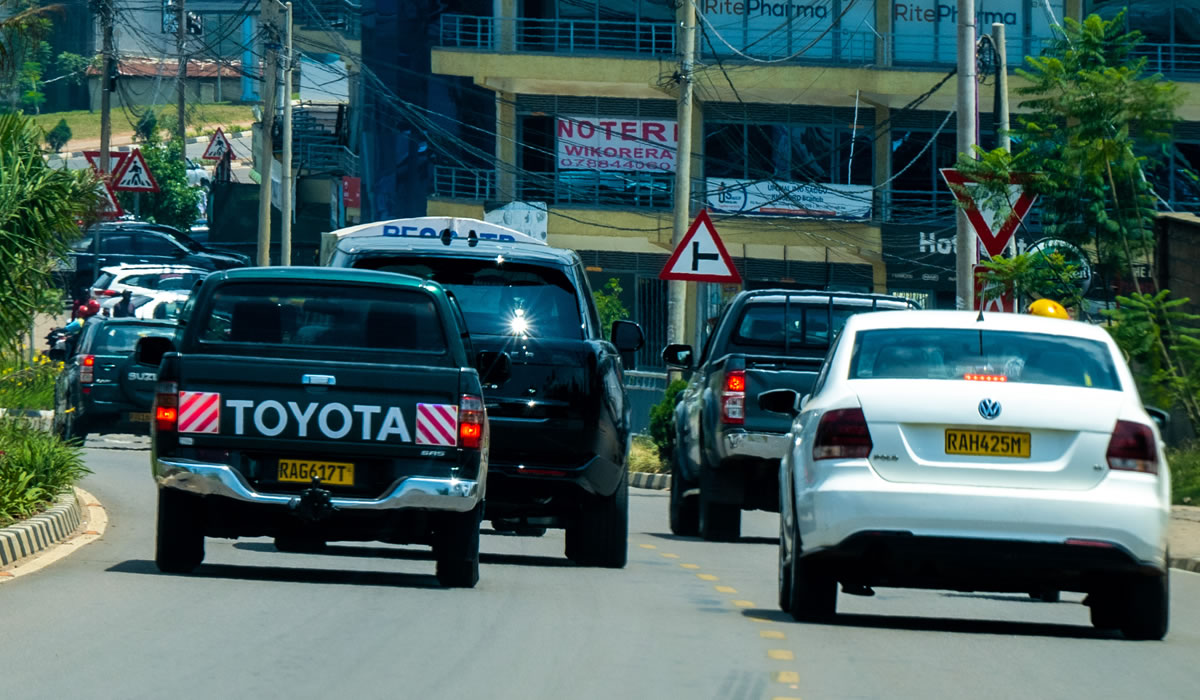
Driving in Rwanda can be an excellent way to experience the country’s beautiful landscapes, vibrant towns and diverse attractions at your own pace. From the well-maintained roads of Kigali to the winding mountain routes around Musanze and the rural roads leading towards Rwanda’s national parks, driving offers flexibility that can be difficult to achieve with fixed transport arrangements. If you are planning a Rwanda car rental, however, it is important to understand what driving in the country is like before setting off. At Car Rent Rwanda, we help you choose a suitable vehicle for your itinerary and prepare for the different road conditions you may encounter.
Driving on the Roads in Rwanda
One of the first things to understand when driving in Rwanda is that vehicles keep to the right-hand side of the road. Drivers should normally remain in the right lane, while the left lane is generally used for overtaking where appropriate. Rwanda National Police also advises motorists to respect traffic signs, speed limits, pedestrian rights and other road users.
For visitors accustomed to driving on the left, such as travellers arriving from Uganda, Kenya, Tanzania or the United Kingdom, driving on the right may require some adjustment. Take extra care at junctions, roundabouts and when turning, particularly during the first few days of your trip. Paying close attention to road markings and signs is the best way to become comfortable with the local system.
Rwanda’s roads can vary considerably depending on where you travel. Kigali and the major connecting roads generally offer a more developed driving environment, while rural routes can include steep gradients, bends, uneven surfaces and unpaved sections. Your driving style should therefore change according to the road rather than relying solely on a fixed speed.
What Driving in Kigali Is Like
Driving in Kigali is different from driving through the countryside. The capital has a developed road network, traffic lights, roundabouts, pedestrian crossings and busy commercial areas. Traffic can become heavier during peak periods, particularly around major intersections and central business areas.
Kigali is also characterised by hilly terrain, meaning that you should expect frequent inclines and descents. When approaching junctions or navigating unfamiliar roads, maintain a safe speed and allow enough distance between your vehicle and others. Traffic signs and lane markings should always take priority over assumptions based on how roads operate in your home country.
Rwanda has also introduced technology to strengthen traffic enforcement. Rwanda National Police reports that speed cameras operate on roads in Kigali and across the country, while camera-based systems can detect speeding and certain other traffic violations. This makes it particularly important to observe posted speed limits rather than relying on the absence of visible traffic officers.
Driving Outside Kigali
Once you leave Kigali, the character of driving changes considerably. Rwanda is known for its hilly and mountainous terrain, and many routes involve winding roads with frequent climbs and descents. The scenery can be spectacular, but drivers should concentrate fully on the road, particularly around bends and on steep sections.
Routes towards Musanze and Volcanoes National Park, for example, take you towards Rwanda’s mountainous north-west, while journeys towards Lake Kivu involve scenic roads through hilly countryside. Roads connecting the country’s major towns can be well surfaced, but conditions can vary on smaller rural roads.
Driving times can also be longer than the distance on a map might suggest. Hills, bends, traffic, road works, weather and slower-moving vehicles can all affect your journey. When planning a Rwanda road trip, allow sufficient time rather than attempting to maintain a demanding schedule.
Expect Pedestrians, Motorcycles and Cyclists
A major part of driving in Rwanda is sharing the road with pedestrians, cyclists, motorcycles and other vehicles. Motorcycles are widely used for transport, while pedestrians and cyclists can be present on or alongside roads, particularly outside major urban centres.
Rwanda National Police places strong emphasis on respecting pedestrian rights and using pedestrian crossings appropriately. Drivers are expected to remain alert and give consideration to vulnerable road users.
This is particularly important when approaching towns, markets, schools, residential areas and busy junctions. Do not assume that a quiet-looking road will remain clear, and reduce your speed whenever visibility is restricted.
Speed Limits and Road Signs
When driving in Rwanda, always follow the speed limit displayed on road signs. The appropriate speed can vary according to the road, location and traffic conditions. Rwanda National Police has introduced both static and mobile speed enforcement cameras, making compliance with posted limits an important part of driving safely in the country.
Road signs, traffic lights, lane markings and pedestrian crossings should be treated seriously. Rwanda National Police also uses camera systems to detect certain violations, including speeding and red-light offences.
You should also adjust your speed according to visibility, weather, road condition, traffic density and the terrain. Rwanda’s traffic regulations require drivers to operate at a speed appropriate to circumstances such as road layout, congestion, visibility, weather and the condition of the vehicle.
Driving at Night in Rwanda
If possible, plan longer journeys so that you arrive at your destination during daylight. Driving at night can require greater concentration because visibility is reduced and pedestrians, cyclists, motorcycles and animals may be more difficult to see.
This is particularly relevant when travelling on unfamiliar rural roads. Even where the main road is paved, bends, gradients and changing road conditions can make night driving more demanding. If you are planning a safari or multi-destination road trip, speak to Car Rent Rwanda about realistic driving times so that your itinerary does not require unnecessary late-night travel.
Weather and Road Conditions
Rwanda’s weather can influence driving conditions, particularly during periods of heavy rain. Wet roads can reduce traction and visibility, while water, mud or debris may affect some rural routes. Mountain roads can also become more challenging when conditions deteriorate.
When rain begins, reduce speed, increase your following distance and use your headlights where appropriate. Avoid sudden manoeuvres and be particularly careful on bends and downhill sections. If a road appears unsuitable for your vehicle, do not take unnecessary risks.
For travellers planning to visit national parks, a 4×4 car rental in Rwanda can provide greater practicality on rougher roads. Vehicles such as capable SUVs and safari 4×4 vehicles are particularly useful when your itinerary includes rural tracks, park roads or remote accommodation.
Wildlife Safari Driving
Driving for a wildlife safari is different from ordinary road travel. Within national parks, you may encounter uneven tracks, mud, loose surfaces, steep sections and wildlife close to the vehicle. Your driving speed should therefore remain appropriate for the environment.
Akagera National Park, for example, offers a very different driving experience from Kigali. A suitable safari vehicle can make exploring the park more comfortable, particularly when travelling on tracks away from the main roads. If you are hiring a vehicle for a Rwanda safari, discuss your planned route with Car Rent Rwanda before selecting the vehicle.
A 4×4 can be particularly useful when exploring destinations where road surfaces are less predictable. However, having a capable vehicle does not remove the need for careful driving. Always prioritise the road conditions and instructions applicable to the area you are visiting.
Seat Belts and Mobile Phones
Seat belts should be worn by occupants, and Rwanda National Police repeatedly advises drivers and passengers to use them. The Police also warns against using mobile phones while driving, identifying distracted driving as a significant road safety concern.
When using a rental vehicle, set your navigation before beginning your journey and avoid handling your phone while the vehicle is moving. If you need to check directions or make a call, stop somewhere safe first.
Drinking and driving is also prohibited and dangerous. Rwanda National Police specifically advises motorists not to drive under the influence of alcohol and to remain alert and capable of controlling their vehicles.
Fuel, Navigation and Journey Planning
When undertaking a long Rwanda road trip, it is sensible to consider fuel availability before travelling into remote areas. Major towns have fuel stations, but rural journeys require more careful planning. Start longer journeys with sufficient fuel and ask your car rental company about suitable refuelling points along your route.
Navigation is another important consideration. Downloading or preparing maps before leaving a strong mobile coverage area can be useful, especially when travelling through rural regions. At Car Rent Rwanda, you can discuss your planned itinerary when booking so that the vehicle and journey arrangements are suitable for your destinations.
Overtaking and General Road Etiquette
Overtaking should only be attempted when the road ahead is sufficiently clear and the manoeuvre can be completed safely. Avoid overtaking near blind bends, junctions, steep crests or other areas where visibility is restricted. Rwanda National Police has identified reckless overtaking and dangerous manoeuvres among behaviours associated with road crashes.
Remain patient when following slower vehicles. Rural roads can contain agricultural vehicles, cyclists, motorcycles and pedestrians, so maintaining a predictable driving style is important. Give other road users adequate space and avoid aggressive manoeuvres.
Choosing a Rental Car for Driving in Rwanda
The right vehicle depends on where you intend to go. A compact car or SUV can be practical for Kigali and major towns, while a 4×4 is generally more appropriate for safari travel, mountainous routes and some rural destinations. For larger groups, a safari vehicle or minibus may offer additional passenger and luggage capacity.
At Car Rent Rwanda, you can select from different vehicle categories depending on your itinerary. Before booking, consider the number of passengers, luggage, road conditions, destinations and whether you prefer self-drive or a vehicle with a professional driver.
Enjoy Your Rwanda Road Trip
Knowing what to expect when driving in Rwanda allows you to prepare for the country’s roads with greater confidence. Expect right-hand traffic, varied terrain, pedestrians and motorcycles, busy areas in Kigali, winding countryside roads and changing conditions between major highways and rural routes. Respecting speed limits, traffic signs, pedestrian crossings and other road users is essential.
For a comfortable journey, choose a vehicle suited to your route, allow realistic travel times and avoid rushing between destinations. Whether you are exploring Kigali, travelling to Lake Kivu, visiting Musanze, heading to Akagera National Park or embarking on a wider Rwanda safari, Car Rent Rwanda can help you arrange a vehicle suited to your travel plans. With the right preparation and a responsible approach to driving, renting a car can give you an excellent way to discover Rwanda’s cities, landscapes, wildlife and countryside.